
 By
By 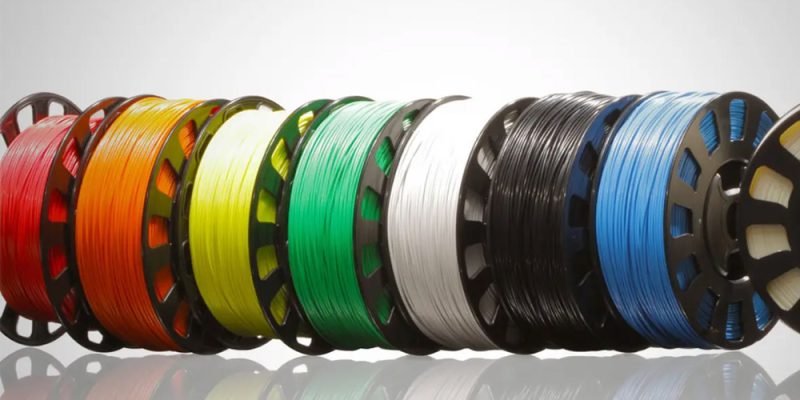
One of the most frequently used desktop 3D printing materials is the PLA 3D printer filament. PLA is an abbreviation of polylactic acid which is a type of plastic, produced using renewable plants like corn starch or sugarcane. It is not produced by means of petroleum but rather by means of the fermentation of natural sugars and then processed into a printable material.
To the average user of the product, the attractiveness of PLA 3D printer filament begins with its ease. It is also less recalcitrant to melting than many other plastics, and thus can be printed on by most common home printers without any special modifications. This is why it can be a good option with beginners, those who study at schools and hobbyists seeking a consistent result without complicated configuration.
The other reason why it is still popular is that printing it does not cause much odour. That can make long print sessions more comfortable in the home or classroom setting. When properly stored, the material moves through the nozzle in a smooth flow forming clean layers and neat edges.
The reason as to why PLA 3D Printer Filament is so extensively utilized.
The reason why many Australians prefer PLA 3D printer filament is that they are a good combination of convenience and appearance. It sticks onto most print beds particularly when the bed is flat and is lightly heated. This minimizes the possibility of corners lifting or having prints dropping half way.
Detail is another strength. PLA 3D printer filament is able to reproduce fine textures and sharp lines and that is why it is appropriate to display models, figurines and adorned items. Even low level machines are capable of great results when well calibrated. In the case of small companies with prototypes or sample products, such reliability can save time and material.
The use of colour is also a factor. PLA 3D printer filament can be found in a vast variety of shades and finishes including solid mat colours and silk and translucent effects. This will enable users to design experimentally without alteration of material types. One spool is capable of transforming a thought into a completed object that appears neat and professional.
Daily Uses anywhere at home and in classroom.
PLA 3D printer filament is commonly applied at home to produce simple things like organisers, cable clips, small brackets and custom holders. It is appropriate with the objects that remain in the house and are not exposed to excessive heat. It is reliable in most living environments since it can be maintained in shape at room temperature.
PLA 3D printer filament is applied by students in classrooms in creative projects and learning activities. The material assists in hands on exploration, even of architectural models to prototypes of science. It is popular with teachers as it can be depended upon to print, and fewer modifications are needed than on some of the stronger industrial plastics.
To hobbyists, it is a good material to use in making miniatures, cosplay props and customised gifts. The extrusion and smooth finish are well-steady which contributes to the vividness of the fine details. After the careful slicing settings, layer lines may be minimized and the end result is a clean print despite the absence of heavy post processing.
Storage and Limitations.
PLA 3D print filament is not applicable in all jobs in spite of its popularity. It is not as heat resistant as some other materials, including ABS or PETG. In an Australian summer, a printed object may become soft or lose shape when it is left in a hot car. This renders it inappropriate to those parts that are directly exposed to the sun or engine heat.
The material is also brittle to stress. Flexible parts or those that are subject to repetitive impact can crack. A sturdier plastic can be good in the case of structural elements or outdoor equipment.
Storage is another aspect that is ignored. PLA 3D filter print absorbs the moisture in the air, and it may cause rough surfaces or the sounds of popping in print. It is important to keep spools closed with desiccant packets to preserve the quality of print. A little attention is the key to avoiding numerous problems.
Where to find Quality PLA 3D Printer Filament in Australia.
A change in the PLA 3D printer filament can be a significant difference in print results by selecting consistent, well manufactured filament. Extrusion and surface finish may occur even with minor changes in the diameter or winding. Trustworthy supply can prevent wastage of time and material.
Filament Hub provides Australian makers with reliable choices of PLA 3D printer filament that is available as home users, teachers and small business. When using a specialist retailer, like Filament Hub, the customer is able to choose among numerous colours and finishes and be sure of consistency in their product and local service.





Comments