
 By
By 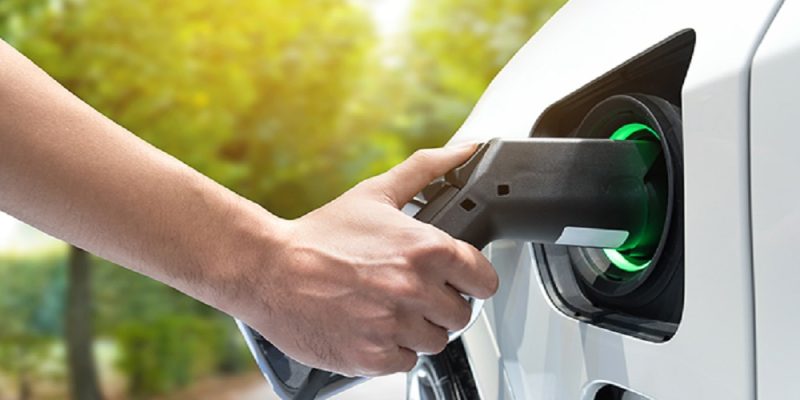
Electric vehicles are becoming more common on roads. To make charging easy and safe, your car needs the right charging hardware. An ev charging inlet plays a major role. The right inlet and socket setup ensures you get power reliably and without stress.
Whether you are installing at home or running a commercial charging station, quality matters. With the right gear — including a ccs2 connector or ev connector type 2 — your EV charging experience becomes smoother and more reliable.
What Is an EV Charging Inlet
The charging inlet is the socket built into your electric vehicle. It is where you plug your charger. This inlet must match the charger plug for proper power flow. A well-made inlet ensures stable electricity supply to the battery without loose connections or sparks.
If the inlet is weak or poorly made, charging can be slow or risky. That’s why many people look for reliable parts rather than cheap alternatives. A good inlet saves time, energy, and possible damage to the vehicle’s electrical system.
Why Connector Standards Matter
When you hear terms like ccs2 connector, it refers to a standardized type of plug and socket system for EV charging. Standard connectors ensure compatibility across many car models and charging stations. This standardization helps avoid confusion and makes public and home charging easier.
For older or different vehicles, the ev connector type 2 is also widely used. It supports safe charging and fits many EVs sold globally. Having a compatible connector means you can use chargers virtually anywhere without worrying about mismatched plugs.
Understanding EV Charging Socket vs Inlet
An ev charging socket refers to the outlet on the charger side — the part connected to electricity supply. It works with the inlet on the vehicle. For safe charging, both socket and inlet must match in type and rating.
When installing a home charger or a wall-box, choosing a good socket is important. A sturdy socket reduces risk of overheating or loose contact. It also ensures stable current supply across multiple charges, keeping both charger and vehicle safe.
Choosing the Right Connector Setup for Home or Business
If you are setting up a charging point at your home or office, think about your EV type and power needs first. For most modern EVs, a ccs2 connector or ev connector type 2 will work well. These offer compatibility and flexibility.
For heavy vehicles or high-capacity charging stations, it is better to pick components rated for higher current. Make sure yourev connector type 2 and socket both support the required load. Using matched, certified hardware avoids flickering, slow charging, or even electrical damage.
Also consider durability. Outdoor chargers need weather-resistant sockets and robust connectors. Indoors, basic but quality sockets work well. Always check insulation and casing quality.
The Role of Quality and Certification
Cheap or low-quality charging components might seem affordable at first. But over time they can cause trouble: loose connections, sparks, poor efficiency. For EVs, these risks increase because of battery voltage and power flow.
Choosing a certified and well-designed ev charging socket or ev connector type 2 ensures safety. These parts are tested for insulation, load capacity, and reliability. They withstand repeated use and help maintain stable performance across many charging cycles.
Proper connectors and inlets also reduce maintenance needs. Good design prevents bending, wear, or damage even with daily use. This means less downtime and longer-lasting charging setups.
Why Good Electrical Setup Supports EV Adoption
As more people choose EVs, reliable charging infrastructure becomes more important. With proper inlets and connectors, even apartment buildings and shared parking can support EVs. A robust charging setup encourages more drivers to switch to electric, knowing they can rely on safe, easy charging.
Businesses and commercial spaces also benefit. Installing a good ev charging socket with matching ccs2 connectors can attract EV users. It adds value to properties and supports sustainable practices.
For homeowners too, a safe charging setup ensures peace of mind. No guesswork about compatibility or safety. You just plug in and charge.
Steps to Set Up a Safe EV Charging Point
If you are planning a charging point, follow these simple steps:
- Check your vehicle’s inlet type — whether it needs CCS2 or type 2 connector.
- Choose a socket and charger that match the connector type and power requirement.
- Ensure wiring and circuit are rated for EV charging load.
- Install charger and socket securely, ensuring proper grounding and insulation.
- Use certified components — inlet, socket, connector, cord — for safety.
- Test the setup with a dry run before first full charge.
- Perform regular checks of connectors, cords, and sockets for wear or damage.
These steps help make your EV charging setup safe, efficient, and long-lasting.
Final Thoughts
Electric vehicle charging works best when you have the right hardware. A reliable ev charging inlet and certified ev charging socket paired with a ccs2 connector or ev connector type 2 makes charging safe and hassle-free.
If you are looking for quality components to build or upgrade your charging setup from inlets to connectors and sockets consider trusted suppliers like Elcom International who ensure safety, durability, and compatibility.





Comments