
 By
By 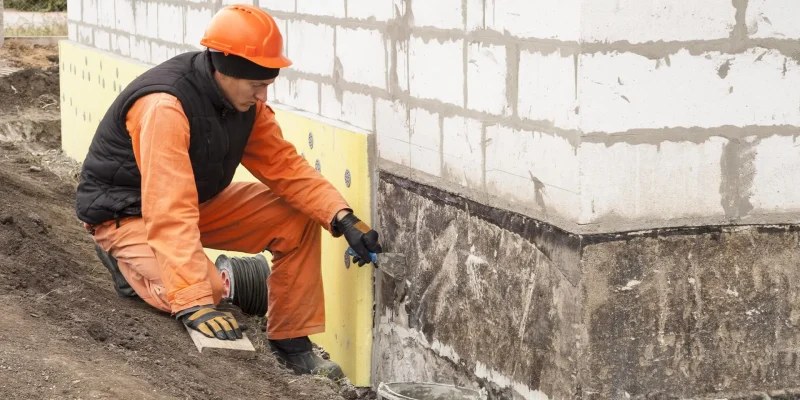
Shifting soil, coastal moisture, and volcanic terrain create unique demands on residential structures across Hawaii. Homes rest on land shaped by lava flow, coral deposits, and layered sediments. Strong foundations protect safety, property value, and long-term structural stability.
Subtle cracks or uneven floors can signal deeper issues beneath the surface. Early attention prevents larger repairs and preserves interior finishes. Skilled professionals follow clear, methodical steps for foundation repair for homes in Hawaii.
Site Evaluation and Structural Assessment
Experts begin with a detailed property review that focuses on visible and hidden structural clues. Exterior walls, crawl spaces, slabs, and support piers receive close visual inspection. Soil type, drainage paths, and slope conditions help shape the repair plan. Accurate documentation guides each decision that follows.
Specialized tools measure elevation differences across floors and footings. Engineers study load distribution and note stress points near corners or openings. Moisture presence near the base receives attention due to coastal humidity. A clear diagnostic picture sets the stage for targeted solutions.
Soil and Moisture Analysis Procedures
Ground conditions in Hawaii vary widely across islands and neighborhoods. Testing helps determine how soil reacts under pressure and seasonal moisture shifts. Laboratory results and field data combine to support the repair design.
- Technicians collect soil samples from multiple depths around the structure. These samples reveal compositions such as clay, sand, or volcanic ash. Density and compaction levels indicate bearing capacity.
- Moisture readings show how water moves through the ground near footings. Drainage patterns and runoff routes influence foundation stress. High saturation zones raise concern for settlement risk.
- Engineers review historical rainfall data for the specific area. Local climate patterns guide decisions about waterproofing and grading. Seasonal changes affect expansion and contraction below ground.
The Planning of Repair Strategy
A structured plan follows the assessment phase. Engineers choose methods that match soil behavior, structural load, and damage extent. Design drawings outline the placement of supports, anchors, or lift systems. Clear communication keeps homeowners aware of timelines and expectations.
Permits and local building codes guide the technical approach. Hawaii regulations address seismic activity, coastal exposure, and environmental impact. Contractors coordinate with inspectors to ensure compliance. Strong planning prevents delays and supports safe execution.
Foundation Stabilization Techniques
Stabilization restores support and halts further movement. Professionals select systems that transfer weight to stronger soil layers. Precision remains essential during installation.
- Steel push piers extend deep into stable strata below weak surface soil. Hydraulic equipment drives each pier until resistance meets engineering standards. Brackets connect the system to the existing footing.
- Helical piers feature screw-like plates that anchor into the ground. Torque monitoring confirms proper capacity during placement. These piers suit lighter structures and limited access areas.
- Slab piers lift sunken concrete sections with controlled pressure. Gradual elevation reduces stress on walls and finishes. Technicians in Hawaii monitor movement with calibrated gauges.
The Process of Lifting and Realignment
Careful lifting follows stabilization when settlement has already occurred. Hydraulic jacks apply a slow, even force to raise the structure. Technicians watch for resistance changes and structural response. Incremental adjustments prevent sudden stress shifts.
Doors, windows, and interior finishes receive close monitoring during elevation. Minor cosmetic cracks may close as alignment improves. Structural members regain intended load paths once level positions return. Final checks confirm consistent support across all points.
Drainage Correction and Waterproof Protection
Water control plays a major role in long-term performance. Surface grading directs rain away from the structure. Downspouts extend beyond the foundation line to reduce saturation. A proper slope protects soil strength near footings.
Waterproof barriers and sealants shield below-grade surfaces. Professionals in Hawaii install vapor barriers in crawl spaces to reduce humidity. French drains or channel systems manage subsurface flow. Dry conditions support stable ground behavior.
Thus, expert foundation repair for homes in Hawaii follows a precise path from assessment to stabilization. Soil analysis, structural support, and water control work together for lasting strength. Methodical care restores confidence in the safety and durability of the home.

Comments