
 By
By 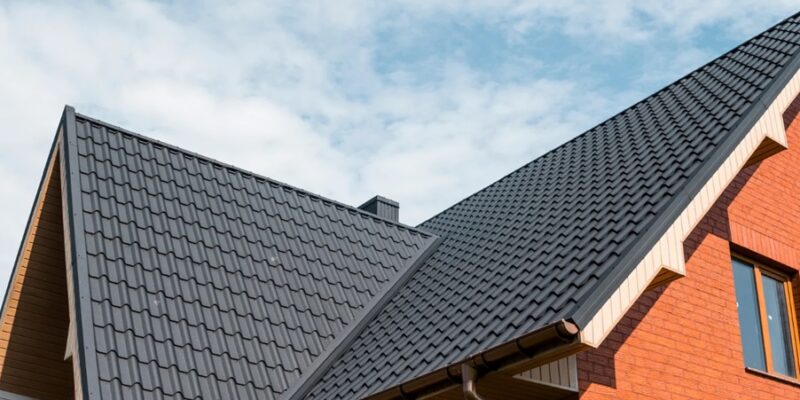
As sustainability becomes a priority for homeowners, the building materials we choose matter more than ever. Roofing isn’t just about durability and aesthetics—it’s also about long-term environmental impact. For those exploring metal roofing in Atlanta, the eco-friendly advantages of this material make it a smart investment for the future of both your home and the planet.
1. Made from Recycled and Recyclable Materials
One of the most compelling reasons metal roofing is considered eco-friendly is its composition. Most metal roofs are made from a significant percentage of recycled materials, some as high as 95%. These include recycled aluminum, steel, or copper, which means less raw resource extraction and less waste ending up in landfills. Even better, once a metal roof reaches the end of its decades-long lifespan, the materials are fully recyclable. This contrasts sharply with asphalt shingles, which often end up in landfills and decompose slowly over time. By choosing metal, you are supporting a closed-loop cycle that reduces environmental stress.
2. Exceptional Energy Efficiency
One significant environmental advantage of metal roofing is its capacity to decrease household energy consumption. Metal roofs reflect solar radiant heat rather than absorbing it, which helps to lower indoor temperatures during the summer months. In a climate like Atlanta’s, this means less dependence on air conditioning and reduced energy bills. Some modern systems include reflective coatings or cool-roof technology that further boost energy performance. Metal roofs handle heat effectively by reflecting a significant amount of solar radiation, which helps keep the interior of the home cooler compared to other roofing materials. This reduction in cooling demand doesn’t just help your wallet—it also lowers your home’s overall carbon footprint by reducing fossil fuel use tied to electricity production.
3. Long Lifespan and Minimal Waste
Metal roofing significantly outlasts traditional asphalt shingles. While asphalt may need to be replaced every 15 to 20 years, metal roofs can last 40 to 70 years or more with proper maintenance. Fewer replacements over the life of your home mean fewer materials used, fewer tear-offs, and reduced transportation emissions tied to installation and disposal. Additionally, because of its durability and resistance to mold, mildew, and pest damage, metal roofing requires fewer chemical treatments and maintenance interventions. This contributes to healthier runoff, which is especially important in storm-prone areas where rainwater frequently washes roofing particles into soil and drainage systems. Besides durability, metal roofing provides additional lifestyle benefits. Metal roofing can reduce noise pollution in your home by effectively dampening sounds from rain, hail, or external traffic, especially when combined with proper insulation and underlayment materials.
Bonus: Compatibility with Solar and Rainwater Systems
Metal roofs are ideal for solar panel installations due to their strength and durability. Their smooth surface and sturdy structure enable easier and less intrusive mounting of solar panels. Additionally, metal roofs are beneficial for rainwater harvesting systems, as they ensure cleaner runoff. Unlike other roofing materials, metal roofs do not shed granules or contain petroleum-based residues.
Conclusion
If you’re searching for a roofing solution that balances long-term durability with environmental responsibility, metal roofing delivers on all fronts. From its recycled content and energy efficiency to its extended lifespan and solar compatibility, it’s a forward-thinking choice for homeowners who care about sustainability. When installed correctly, a metal roof becomes more than a surface upgrade—it becomes a part of your home’s environmental strategy.




Comments